Where Locals Go for Jamaican Food in Denver
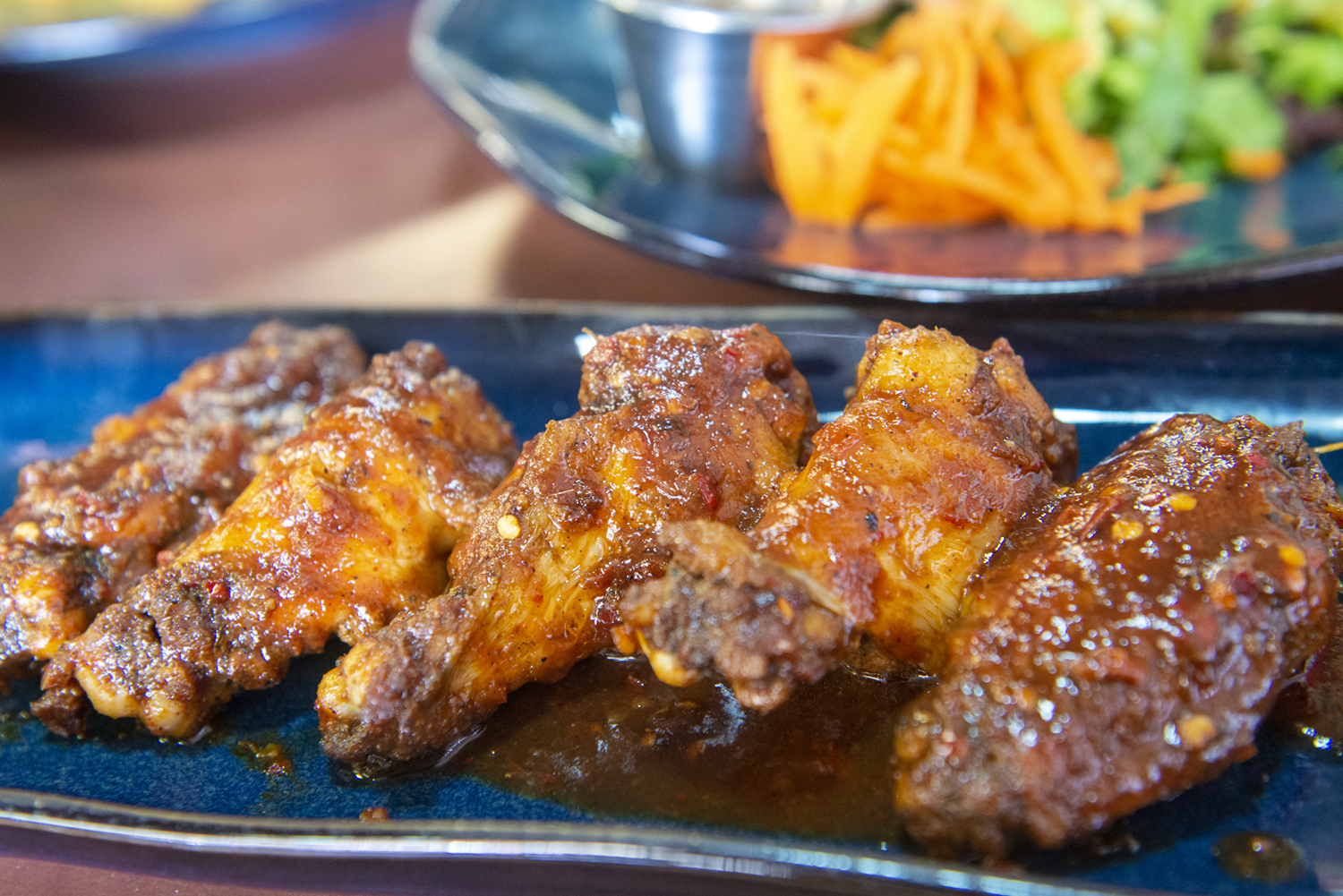
Ask ten Denver residents where to find great Jamaican food and you will hear two answers at once. The first is practical: you usually need to leave the polished downtown restaurant zones and head into the neighborhoods, often to modest storefronts in shopping centers where the dining room is small, the menu board is crowded, and the kitchen takes its time. The second is more personal: locals do not just chase jerk seasoning. They go back to the places that get the full plate right, from the smoke on the chicken to the peas in the rice, the texture of the plantains, and the depth of the gravy soaking into an oxtail dinner.
That is the real starting point for understanding Jamaican food in Denver. It is not a cuisine that shows its best side when it is rushed, flattened into generic “Caribbean” branding, or trimmed down for speed. The places locals recommend tend to be independent, family-run, and a little idiosyncratic. Some are primarily takeout counters. Some operate with the kind of rhythm that rewards patience. Some are technically in the broader metro rather than the city core. Most regulars do not care. If the food is right, they will drive.
Denver is not New York, South Florida, or Toronto, cities where Jamaican restaurants are plentiful and competition is fierce block by block. Here, the scene is smaller, and that changes how people search. Locals learn quickly that finding excellent Jamaican food in Denver is less about stumbling into a random trendy spot and more about knowing what signs matter. A short menu can be a good sign. Steam fogging the takeout containers can be a good sign. A staff member telling you a particular dish is sold out can be a very good sign.
The local pattern: look beyond downtown
Visitors often assume the best international food in Denver will be concentrated near downtown or in the most publicized dining districts. That is not usually how it works with Jamaican cooking. Local eaters know to widen the map. Southeast Denver, Aurora, and parts of the broader metro are where many people end up when they want a serious Caribbean plate. It is the same logic that guides people toward the best Ethiopian, Vietnamese, or Mexican food in the region. Rent is lower, family businesses can hold on longer, and restaurants can build a loyal customer base without designing themselves around tourists.
That matters because Jamaican food is one of those cuisines where infrastructure affects quality. A kitchen needs room for slow braises, marinades, steam tables, and large-batch sides. It needs time. The best oxtail is not something you fake in twenty minutes. Proper curry goat cannot taste like a generic curry sauce poured over meat at the last minute. Good jerk chicken should carry seasoning all the way through, not just on the skin.
Locals also know that hours can be inconsistent, especially at small independent spots. A restaurant may be packed on a Friday night, quiet on a Tuesday afternoon, or unexpectedly closed for a family reason. People who eat this food regularly tend to confirm hours before they drive across town. That is not a complaint, just part of the landscape. In exchange, they often get food with a level of care that chain restaurants rarely deliver.
What people are really looking for on the plate
If you are new to Jamaican food in Denver, it helps to know what regulars actually judge. The obvious answer is jerk chicken, but locals rarely stop there. One strong jerk plate is enough to get your attention. What makes people return is consistency across the menu.
Here is what experienced diners usually pay attention to:
- Jerk that tastes layered, not just spicy. You want smoke, thyme, scallion, allspice, chile heat, and a little sweetness in balance.
- Rice and peas with character. It should not taste like plain rice placed on the plate as an afterthought.
- Oxtail gravy that is rich but not greasy. The sauce should cling and deepen everything it touches.
- Plantains cooked to the right point. Too firm and they feel starchy, too soft and they collapse into sugar.
- Patties with a crust that flakes and a filling that stays moist. A dry patty is usually a warning sign.
That list sounds simple, but it separates serious kitchens from mediocre ones quickly. Denver diners who know Jamaican cooking tend to notice the sides as much as the centerpiece. A restaurant might turn out respectable jerk chicken and still lose credibility if the cabbage is limp, the mac and cheese tastes boxed, or the rice is bland.
Where locals actually end up
When people talk about their favorite Jamaican food in Denver, the recommendations usually come with caveats like “it’s not fancy,” “parking is weird,” or “call ahead because they sell out.” Those are not red flags. Often, they are part of the charm.
A lot of local loyalty goes to small Caribbean restaurants in strip malls or on commercial corridors that do not get much culinary press. These are the places where lunch crowds include contractors, office workers on break, neighborhood regulars, and people who drove twenty or thirty minutes because they had a craving that would not be solved by a fusion menu. If there is one common thread, it is that locals are willing to prioritize flavor over atmosphere.
Some diners are specifically looking for a place that handles lunch well, meaning generous portions, fast enough service to make a break from work possible, and a plate that still tastes good if half of it goes home for dinner. Others are chasing a weekend meal, when they have time to sit, order an extra side of plantains, and maybe bring home patties for later. That split matters because a restaurant can shine in one lane and be only average in another.
In practical terms, the places locals favor often fit one of a few profiles. There is the takeout-first kitchen with outstanding jerk and curry. There is the broader Caribbean menu spot, where Jamaican staples share space with other island dishes. There is the soul-food-adjacent restaurant that draws crossover crowds and may not be purely Jamaican, but serves enough island-inspired cooking to earn a loyal following. Then there are pop-ups, food trucks, and festival vendors, which can be excellent when you catch them at the right moment.
The most reliable local advice is not “go to the prettiest place.” It is “find the place where the food moves, the regulars know what they want, and nobody is apologizing for taking time with the oxtail.”
Why jerk alone can mislead you
Jerk chicken is the gateway dish for many Denver diners, and understandably so. It is the easiest point of entry, usually the most visible item on the menu, and often the first dish people compare across restaurants. But locals who eat Jamaican food often know that jerk can create a false positive.
A restaurant can make decent jerk by leaning hard on spice and char. That does not mean the rest of the menu is strong. The opposite can also happen. Some kitchens produce excellent braised dishes, but a merely good jerk plate. If you only order one thing once, you may miss the place’s real strengths.
That is why the regular move is to order more broadly when possible. Two people sharing a jerk chicken plate and an oxtail plate tells you much more than either dish alone. Add a beef patty or a side of cabbage and you have an even better sense of the kitchen. This is especially useful in a city like Denver, where the Jamaican restaurant scene is smaller and each spot may have a distinct personality. One place may own the jerk game. Another may be the one locals visit when they want curry goat. Another may be worth the trip because its sides are unusually strong.
The altitude and climate do not define Jamaican cooking in Denver, but they do influence dining habits. Heavier braises and stews play especially well during colder months, and you will hear people talk about oxtail or curry goat with the same enthusiasm that others reserve for winter chili. On hot days, patties and jerk chicken become the easier move. A lot of locals shift their order with the season.
How regulars order, and why timing matters
There is a rhythm to eating at small Jamaican restaurants that people in Denver learn over time. You do not always show up at the edge of closing and expect the full menu to be available. You do not assume every side dish will be replenished indefinitely. And if the staff recommends a particular special, many regulars take the hint.
Lunch can be ideal if you want the fastest service and the best chance of seeing high-turnover items at their freshest. Dinner can be more relaxed, but it may also mean longer waits if the kitchen is handling a rush. Weekend afternoons often strike the best balance, especially for first-time visitors who want enough menu availability without the peak squeeze.
One practical detail that locals understand is portion size. Jamaican plates in Denver often run generous, especially with rice and peas, cabbage, and plantains filling out the container. It is common for one meal to become two. That matters if you are ordering for a group. Four entrees for four people may be too much if everyone also wants patties, coco bread, or extra sides.
There is also a trade-off between crispness and convenience. Jerk chicken, fried plantains, and patties are all at their best when eaten promptly. Oxtail and curry goat travel better. If you are doing takeout for a long drive home, it can be smart to build the order around dishes that hold up well, rather than expecting every component to survive thirty or forty minutes in a sealed container.
What to order first if you want the clearest read on a kitchen
For someone trying to make sense of the jamaican food denver scene, the smartest first order is not necessarily the biggest or the hottest. It is the one that gives the kitchen room to show range.
A strong first meal usually includes jerk chicken or jerk pork if available, because that tells you how the restaurant handles seasoning and smoke. Add either oxtail or curry goat if your budget allows. One of those slow-cooked dishes reveals much more about patience, stock, and balance. Round it out with plantains and rice and peas. If patties are available and you are eating on site, get one. A good patty is one of the quickest tests of care and consistency.
What you are tasting for is coherence. Do the flavors feel connected, or is each item doing its own unrelated thing? Does the heat build naturally, or does it hit like a shortcut? Does the food taste like it came from one kitchen with a point of view? The places locals love generally answer yes to all three.
Atmosphere matters less than hospitality
One mistake people make when searching for Jamaican food in Denver is expecting every memorable meal to come with a polished dining room. That is not the local standard. A lot of beloved spots are casual in the truest sense. You order at the counter. You wait. You carry your tray. The décor may be basic. The music may be better than the chairs.
What locals do care about is hospitality, which is not the same as speed or formality. A restaurant can be direct, busy, and entirely no-nonsense while still feeling welcoming. If the staff is willing to steer first-timers toward the right dish, explain the heat level honestly, or suggest a side that pairs well with a specific entree, people remember that. The best neighborhood places create a sense that regulars matter without making newcomers feel like outsiders.
There is also a specific kind of trust that builds at independent restaurants. When the person at the counter tells you the curry is stronger than the jerk that day, or that the oxtail is especially good because a fresh batch just came off, that guidance often proves more useful than any online review. Locals learn which places to trust, and that trust is part of why certain restaurants keep their following even if they are not heavily marketed.
Price, value, and the reality of special-occasion dishes
Anyone who has ordered oxtail recently, in Denver or anywhere else, knows that prices have climbed. It used to be the dish people recommended without hesitation. Now, for many diners, it is a once-in-a-while order. That is not unique to Jamaican restaurants. The ingredient itself has become more expensive, and kitchens have to price accordingly.
Locals tend to judge value a little differently because of that. A higher-priced oxtail plate can still feel worth it if the portion is generous, the meat is tender, and the gravy is deep enough to justify the cost. On the other hand, a cheap plate that tastes watery or skimps on meat is not a bargain. The same logic applies to curry goat. These are labor-intensive dishes, and people who know them are usually willing to pay for quality.
Jerk chicken remains the safer everyday value play. It is usually less expensive, easier to portion for lunch, and often the most consistent item across visits. Patties can also be one of the best buys on the menu, especially if you want a quick lunch or a snack to take home. For people trying several spots around the city, patties are a smart way to compare restaurants without spending heavily each time.
The role of festivals, pop-ups, and word of mouth
Denver’s Jamaican food scene is not limited to brick-and-mortar restaurants. Some of the most memorable island cooking in the metro appears at cultural festivals, summer events, neighborhood gatherings, and occasional pop-ups. Locals who follow food closely know that a great plate may come from a temporary setup as easily as from a permanent storefront.
That can be frustrating for newcomers because temporary vendors are harder to track. Social media, community groups, and simple word of mouth still matter a lot here. One person tries a jerk chicken plate at an event, tells three friends, and suddenly a vendor has a Saturday line the next time they appear. That is often how Denver food culture works outside the heavily publicized restaurant world.
The upside is that these events can provide a broad snapshot of Caribbean cooking in one place. You may try a patty from one vendor, jerk from another, and a fruit drink or dessert from a third. If you are trying to understand where locals go for Jamaican food in Denver, paying attention to who draws the longest line at community events is not a bad strategy.
How to tell when you have found the right place
The best Jamaican restaurants in the Denver area rarely need much explanation once the food lands. The chicken has actual smoke and seasoning under the surface. The cabbage is not decorative. The rice and peas carry coconut, spice, and stock. The plantains taste ripe, not merely sweet. The plate feels complete.
You can usually tell a local favorite by the kind of loyalty it inspires. People mention the same dish every time. They know which days are busiest. They know when to call ahead. They are comfortable with a restaurant that may not be sleek because the meal has already proven itself. That is the common thread running through the best jamaican food https://johnnyzgkn275.talesignal.com/posts/denver-s-best-jamaican-food-for-takeout-nights denver recommendations. They come from repeat visits, not one-off novelty.
If you are serious about finding the spots locals return to, go in with the right expectations. Be willing to drive a bit. Be willing to wait a bit. Order more than just jerk once. Let the side dishes count. Trust your senses over branding. In Denver, that approach usually leads to the meals worth remembering.
Reggae Pot Jamaican Grill
Address: 2243 S Monaco St Pkwy #104, Denver, CO 80222
Phone number: +17204102956
FAQ About Jamaican Food Denver
What is typical Jamaican food?
Typical Jamaican food features bold, vibrant flavors created by blending African, Taino, European, and Asian influences.
What is a famous Jamaican dish?
Ackee and saltfish is Jamaica's national dish, made by sautéing the soft local ackee fruit with salted cod, onions, tomatoes, and spicy Scotch bonnet peppers.
What food is most popular in Jamaica?
The most popular and famous food in Jamaica is Jerk Chicken, celebrated worldwide for its smoky, spicy flavor.