What Makes a Great Bar With Private Room Stand Out
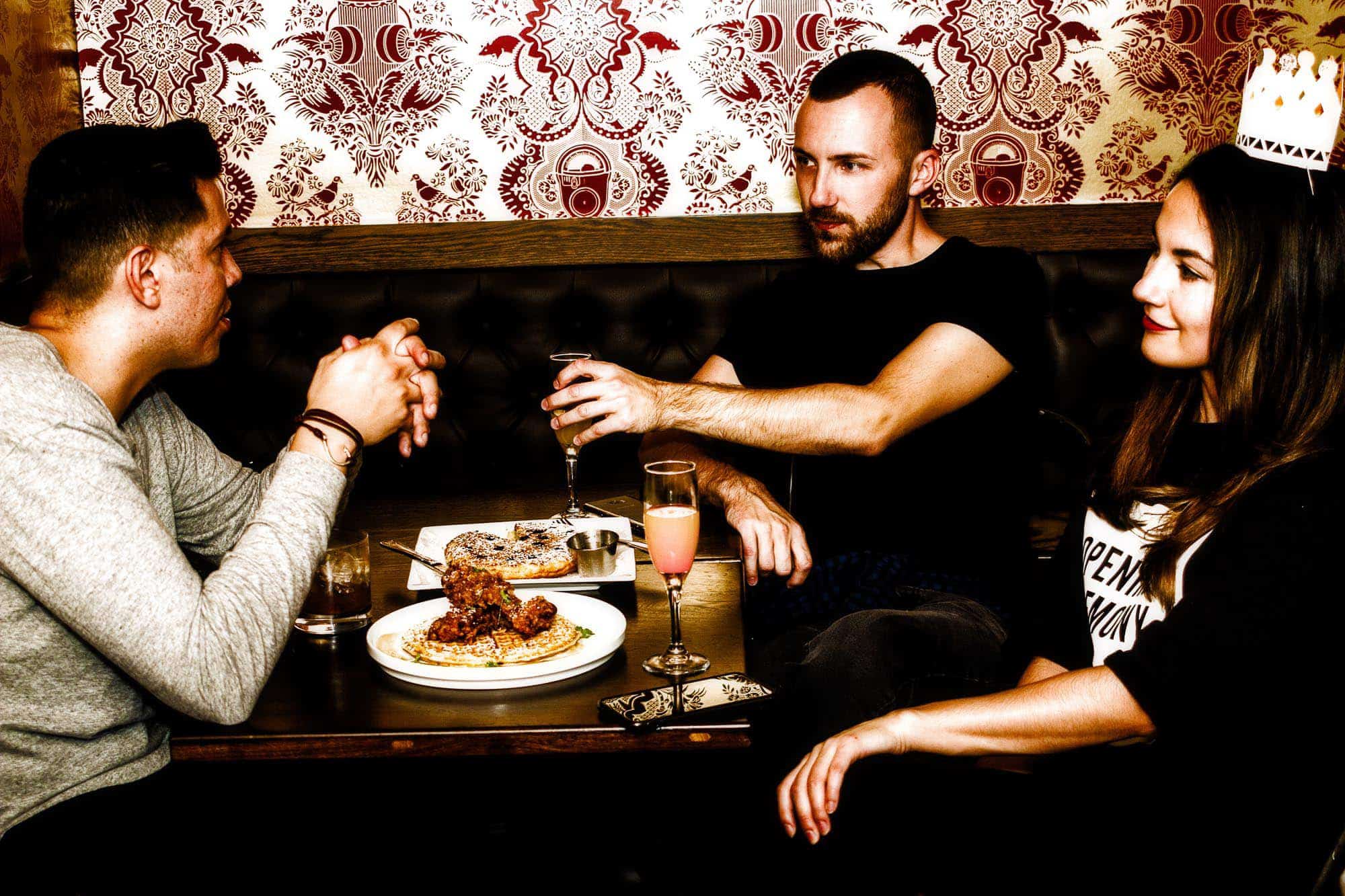
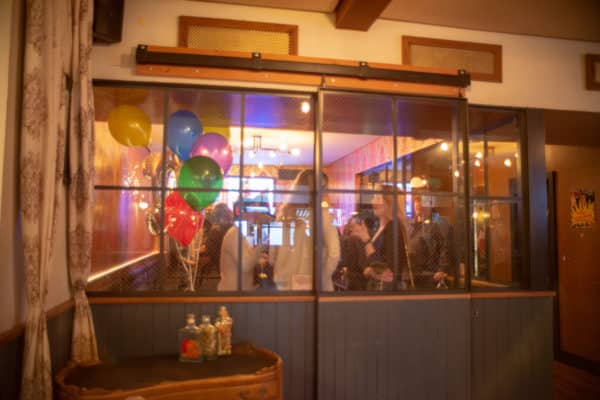
A private room can change the entire character of a night out. The same bar that feels loose and sociable at the main counter can become focused, polished, and deeply personal once a door closes behind a group. That shift is exactly why demand for a Bar With Private Room keeps growing. People want the atmosphere of a bar, but they also want control over noise, seating, timing, privacy, and service.
Not every private room delivers on that promise. Some feel like afterthoughts, little more than a storage area dressed with better lighting. Others get the opposite problem. They are so sealed off, formal, or detached from the rest of the venue that they lose the energy people came for in the first place. The best ones strike a difficult balance. They offer separation without isolation, hospitality without intrusion, and style without sacrificing function.
After spending years around event spaces, hospitality teams, client dinners, birthday bookings, and more than a few awkward corporate mixers, I have seen what guests remember long after the bill is paid. They remember whether they could hear each other. They remember whether the drinks arrived on time. They remember whether the room made the gathering feel special or merely expensive. Great private spaces in bars are rarely defined by one flashy feature. They stand out because dozens of small decisions work together.
Privacy that feels intentional
The first test is simple. Does the room actually feel private?
That sounds obvious, but many venues stretch the term. A curtained corner or a half-partitioned mezzanine may be suitable for a casual group, yet it does not offer the same experience as a true private room with acoustic separation and a clear sense of boundaries. Guests booking a private room are usually paying for more than square footage. They are paying for freedom. Freedom to speak candidly, to toast loudly, to host clients, to surprise a friend, or to keep a celebration contained.
Real privacy has several layers. Visual privacy matters because people relax differently when they are not on display. Acoustic privacy matters even more. If a group has to compete with the bass from the main floor or lower their voices because strangers can hear every word, the room has not done its job. Then there is service privacy, which often gets overlooked. Guests should feel looked after without feeling monitored. A great room allows staff to enter with confidence, serve efficiently, and leave the group to its own rhythm.
One of the clearest signs of a thoughtful venue is that privacy has been designed into the room from the start rather than patched in later. Doors close properly. Sound does not spill excessively in or out. Sightlines are controlled. Even the path from entrance to room makes sense, so guests are not threading through a packed standing crowd carrying gift bags and coats.
The room should still belong to the bar
There is a trap that some operators fall into when they build a private room. They make it so self-contained that it might as well be in a hotel conference suite. It has walls, chairs, a screen, and no trace of the bar’s personality. Technically, it works. Emotionally, it falls flat.
A standout Bar With Private Room keeps a strong connection to the venue’s identity. If the bar is known for sharp cocktails and moody lighting, the room should echo that. If the house style is relaxed, lively, and local, the room should not suddenly feel stiff and corporate. Guests chose that bar for a reason, and the private space should deepen that reason rather than interrupt it.
This is where materials, music, glassware, and layout do a great deal of quiet work. A room can feel intimate without being generic. The best spaces borrow the pulse of the main room while letting guests shape the intensity. Maybe they hear a low wash of the venue’s soundtrack but not enough to drown conversation. Maybe they can see a glimpse of the bar through interior windows while still feeling sheltered. Maybe the cocktail menu in the room is a tighter version of the house list rather than a reduced afterthought.
When a private room feels like it belongs nowhere in particular, guests notice. They may not say it in those exact words, but they will describe the night as disconnected. A memorable room feels like the best expression of the bar, not a detached rental box.
Service makes or breaks the booking
A beautiful https://caidenbssa706.nexorafield.com/posts/bar-with-private-room-ideas-for-creative-social-events room cannot compensate for clumsy service. In fact, the more exclusive the setting, the more service flaws stand out. Guests are less forgiving when they have made a reservation, committed a minimum spend, invited colleagues, or organized a celebration around a promised experience.
Good private-room service starts before anyone arrives. Clear communication matters. The venue should explain room capacity in realistic terms, not optimistic ones. There is a major difference between fitting twenty people and hosting twenty people comfortably for two or three hours. The same goes for food formats, drink packages, deposits, setup time, accessibility, and AV limitations. Problems begin when sales language outruns operational reality.
On the night itself, timing becomes everything. Private groups rarely move in a straight line. Some arrive early. Some trickle in over forty minutes. Someone always wants to open a tab outside the agreed structure. Great staff anticipate this without making the host feel like a problem to be solved. They know when to circulate and when to disappear. They can reset glasses without interrupting a speech. They can pace a cocktail round so half the group is not waiting while the other half is already halfway through their drinks.
I once watched two similar birthday bookings unfold in different venues on the same weekend. Both had stylish rooms and decent drinks. The difference was coordination. In one bar, the host had to ask three times for water, staff seemed unclear on which platters had been ordered, and coats ended up draped over chairs because no one had thought through storage. In the other, the room was ready early, a server quietly checked the timing for cake service, and fresh ice arrived before anyone asked. The second room was not larger or fancier. It was simply run by people who understood what private hospitality actually requires.
Comfort is not glamorous, but guests feel it immediately
Many private rooms photograph well and perform poorly. The lighting flatters the room but makes menus hard to read. The banquette looks luxurious until guests have sat in it for an hour. The table arrangement suits a brochure image better than an actual conversation. Comfort does not generate social media buzz on its own, yet it often determines whether a booking feels successful.
Seating is the first pressure point. A room should support the type of gathering it claims to host. Standing cocktails need ledges, flexible perches, and clear paths for circulation. A dinner setup needs legroom, stable surfaces, and sightlines that allow everyone to participate. Mixed-format events, which are increasingly common, benefit from adaptable furniture that can shift from welcome drinks to speeches to a more relaxed late-evening setup.
Temperature control matters more than people expect. Private rooms fill quickly, and even a small space can become stuffy once ten or fifteen people are drinking and talking. Ventilation problems create a subtle but powerful drag on the mood. Lighting has similar weight. Guests want to look good, yes, but they also want to make eye contact, read a label, and take a group photo without standing under the one functional spotlight in the room.
Sound is often the silent differentiator. A room can be private and still unpleasant if every laugh bounces around hard surfaces. The best spaces manage acoustics so that the room feels alive rather than echoing or dull. That may come from upholstered elements, rugs, curtains, smart ceiling treatment, or simply better design choices. Guests will rarely compliment the acoustic profile of a room directly. They will say the night felt easy, and that is the point.
Drinks need to suit the room, not just the menu
People book bars for drinks. That seems too obvious to mention, but it is surprising how often private-room beverage programs are handled with less care than the main bar experience. A reduced list, weak batching, inattentive glassware, or long waits can flatten the room’s energy very quickly.
A standout venue thinks about how people actually drink in a private setting. Some groups want the theater of individual cocktails made to order. Others want speed and consistency because they are networking, celebrating, or moving through a schedule. A smart operator does not force one approach onto every booking. Instead, they offer options that fit the guest’s purpose and the room’s logistics.
There is also a practical side to this. Certain cocktails are perfect at the bar but awkward in a crowded private room. Elaborate garnishes, drinks that need immediate serving, or recipes that require too much time per order can clog service if the room is busy. The best venues know which house drinks scale well and which should stay on the main menu only. They may create a shorter private-room list, but if they do, it still feels curated, not compromised.
Wine and low- or no-alcohol options matter too. Many hosts still underestimate how much guests appreciate a thoughtful nonalcoholic selection. A private room often gathers mixed drinking preferences, professional obligations, and different energy levels over the course of an evening. Offering one soft drink and sparkling water is not enough if the bar claims a premium experience.
Food should support the occasion, not fight it
The right food can anchor a private gathering. The wrong food can turn the room into a logistical mess.
Private-room food works best when it fits the social mechanics of the event. Passed canapés feel elegant, but they require circulation and timing. Large platters can create generosity and flow, but only if there is enough table space and guests can reach them comfortably. Seated meals bring structure, yet they can slow a room that was booked for mingling and toasts. Great bars are honest about this. They guide hosts toward formats that match the number of guests, the room layout, and the event purpose.
There is also the matter of pacing. Food that arrives too late pushes guests into overdrinking. Food that lands all at once can crowd the room and kill momentum. Good hospitality teams understand the cadence of appetite. A few well-timed savory bites in the first hour often do more for guest satisfaction than an ambitious spread that appears after everyone is already deep into their second round.
Dietary needs deserve serious handling, not improvised reassurance. In a private room, these details become more visible because hosts often feel personally responsible for their guests’ experience. A venue that manages allergens, vegetarian requests, or alcohol-free pairings smoothly earns trust very quickly.
Flexibility separates good venues from great ones
Private bookings rarely run exactly as planned. Someone adds three guests. A speech starts late. A client dinner turns celebratory because the deal closes. A networking event stays subdued for an hour and then suddenly opens up. Great venues can absorb these shifts without losing shape.
That flexibility begins with room design. Movable furniture, sensible storage, and multiple service points help enormously. It also depends on policy. Some bars are so rigid about timing, minimums, or menu structures that they create friction where none is necessary. Others are too loose, which can lead to confusion and unmet expectations. The strongest operations know where to be firm and where to adapt.
A room that can host a six-person whisky tasting one night and a twenty-five-person engagement party the next has an advantage, but only if the changes still feel intentional. Versatility should not come at the expense of atmosphere. Guests notice when a room feels stretched beyond its natural use.
There is a commercial lesson here as well. Flexible rooms tend to outperform because they appeal to more booking types: birthdays, rehearsal dinners, launch parties, client meetings, team gatherings, family celebrations, and quiet after-wedding drinks. Yet the venues that do this best still know their lane. They are not trying to be everything. They are simply prepared for the real variety of private hospitality.
Hosts remember how easy the planning felt
For many guests, especially the person making the reservation, the experience begins long before the first drink. It begins with the inquiry email, the response time, the clarity of pricing, and the confidence the venue inspires. A private room can be gorgeous, but if the planning process is vague or frustrating, the host arrives already tense.
This is one of the least glamorous but most important parts of standing out. Great venues make booking feel straightforward. They explain what is included. They outline what can be customized. They are transparent about deposits, cancellation windows, service charges, and spend minimums. If there are restrictions on decorations, music, outside cake, or event timing, they say so early.
Nothing damages trust faster than a surprise fee or an assumed service level that never materializes. On the other hand, a clear planning process gives hosts the confidence to spend more. They are more likely to add welcome drinks, reserve extra time, or upgrade food when they feel the venue is organized and honest.
I have seen clients choose a slightly less flashy venue simply because the communication was stronger. They knew who their contact was, what the room would hold, when the food would arrive, and how billing would work. That level of confidence is not administrative trivia. It is part of hospitality.
The small operational details tell the truth
Every polished venue has a few flattering photos. What separates the best private rooms is how they perform in the details that do not appear in marketing images.
Coat storage is one of those details. If winter guests pile coats on spare chairs, the room shrinks instantly. Restroom access is another. A private room that requires guests to push through a congested dance floor every time they leave can feel less exclusive than advertised. Signage, accessibility, charging points, background music control, and the ability to make a toast without balancing on a dining chair all matter more than people expect.
Cleanliness and maintenance are equally revealing. Scuffed walls, sticky menus, wobbling tables, chipped glassware, and unreliable door latches undermine the sense of care. Guests may not complain directly, but they read these things as signs of how seriously the venue takes its offer.
Then there is staff handoff. In many bars, the private room is sold by one person and run by another. If those teams are not aligned, details go missing. The best venues have strong internal communication, so the room setup, dietary notes, timing requests, and billing arrangements do not depend on the host repeating themselves three times.
Atmosphere should evolve through the night
A private room should not feel static. The strongest ones change gracefully as the event unfolds. Early in the evening, guests may want brightness, easy service, and room to settle in. Later, they may want deeper mood, quicker drink replenishment, music lifted a touch, and furniture that encourages a looser flow.
That sense of progression is hard to fake. It requires a team that reads the room well and a space that allows subtle adjustment. Lighting on dimmers helps. Movable side tables help. So does staff who know when to clear, when to refresh, and when to let a room linger in a good moment.
This is where many memorable nights are made. The room feels welcoming at seven, lively at nine, and still comfortable at eleven. It does not peak too early or drag awkwardly. Guests leave with the sense that the night had shape. Often they credit the company or the celebration itself, which is fair, but the room played a larger role than they realized.
Value is not the same as price
Private rooms can command serious spend, especially in city centers or high-demand venues. Guests understand that exclusivity costs money. What they judge closely is whether the price matches the experience.
Value comes from coherence. If a room is expensive but the service is brisk, the drinks feel limited, or the setup looks generic, guests feel overcharged. If the room is thoughtfully designed, professionally run, and easy to use, they are often more comfortable with the spend, even when it is not cheap.
This is why the best private rooms do not rely on exclusivity alone. They offer hosts something tangible in return: less stress, better flow, stronger atmosphere, more control, and a setting that elevates the occasion. A standout Bar With Private Room makes the host look good. That, more than almost anything, drives repeat business.
People come back to places that made their event easier, warmer, and sharper than they expected. They recommend the room to colleagues because the team handled things cleanly. They book again for a birthday because the last work dinner went so smoothly. They remember the room because it gave them privacy without losing the bar’s spark.
That is what makes a great one stand out. Not just a door, not just a booking fee, and not just a polished photo online. It is the rare combination of atmosphere, planning, service, comfort, and judgment that makes a group feel both taken care of and completely at ease. When all of those elements line up, a private room stops being an add-on. It becomes the reason people choose the bar in the first place.
The Winslow
Address: 243 E 14th St, New York, NY 10003
Phone number: +12127777717
FAQ About Bar With Private Room
Which bars in NYC offer private rooms?
Many bars in New York City offer private and semi-private rooms for parties and events, ranging from hidden basement speakeasies to upscale lounge spaces. Top options include The Back Room on the Lower East Side, Dear Irving Gramercy, Pebble Bar in Midtown, Mister Paradise in the East Village, and The Winslow in the East Village.
What is a private room in a pub called?
A small, private seating area or partitioned booth in a traditional pub is most commonly called a snug. Larger private rooms used for events, parties, or dining are typically referred to as private dining rooms, function rooms, or back rooms.
How much does a 2 hour open bar cost?
A 2-hour open bar generally costs between $15 and $45 per person, depending heavily on the quality of alcohol you choose. For a standard group of 100 guests, this translates to an overall cost of $1,500 to $4,500 before taxes, setups, and staff gratuities.