How to Host a Friendsgiving at a Bar With Private Room
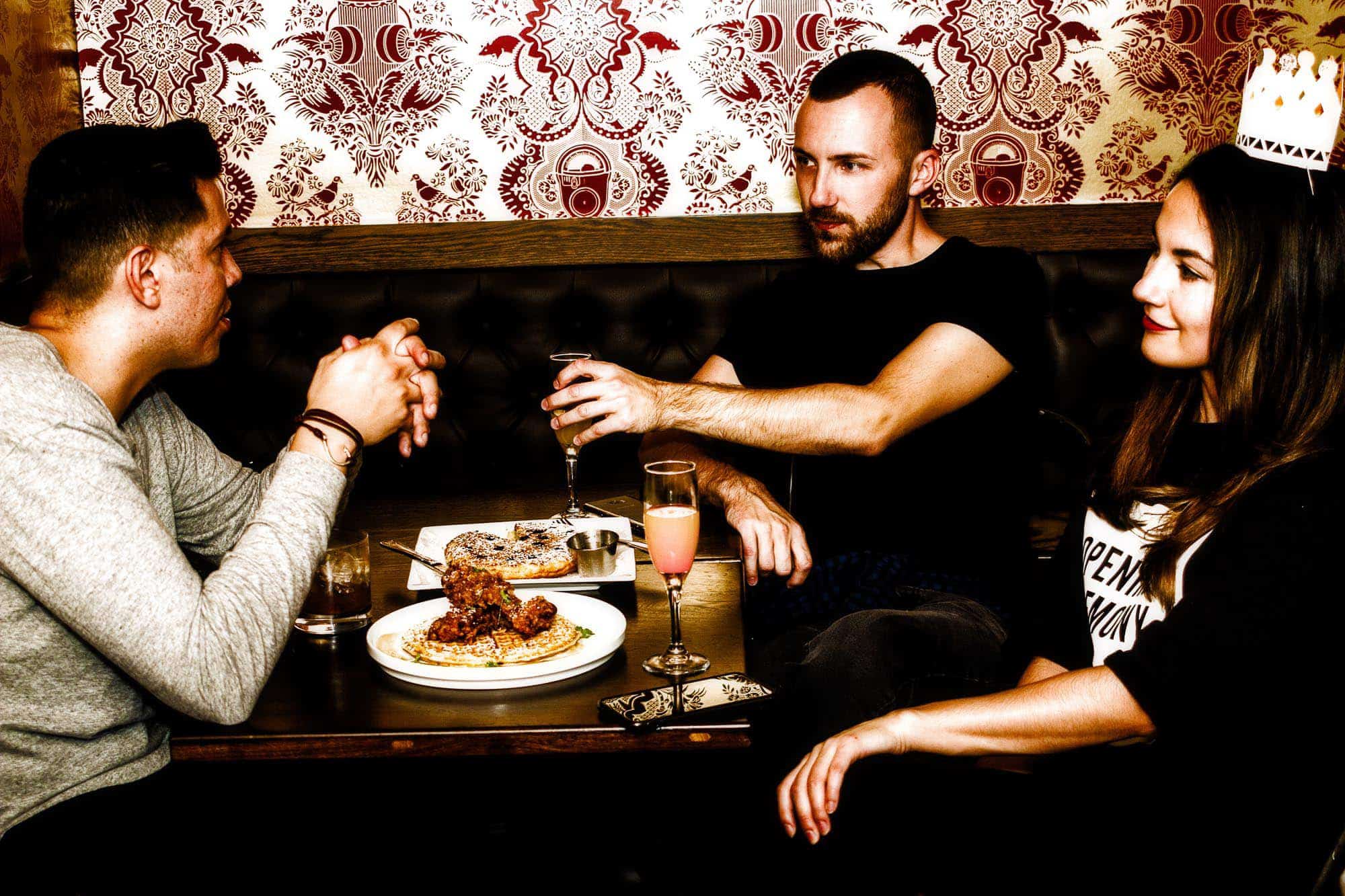
Friendsgiving works best when it feels generous rather than formal. People want a holiday meal without the pressure of polishing silver, squeezing twelve folding chairs around a coffee table, or spending the next morning scraping casserole off baking dishes. That is exactly why hosting it at a Bar With Private Room makes so much sense. You keep the warmth and ritual of the gathering, but you move the labor, logistics, and cleanup into the hands of a venue built for groups.
I have seen this format work especially well for friend groups in their late twenties through forties, when homes are smaller, schedules are tighter, and the guest list gets more complicated every year. Some people are flying in. Some are bringing a new partner. Some have dietary needs that would turn a home-cooked menu into a three-day project. A bar with a private room can absorb those variables better than most hosts can.
Still, a smooth Friendsgiving in a rented space does not happen by accident. Private dining has its own quirks. Noise carries. Beverage minimums can surprise people. Buffets look easy until the room layout creates a traffic jam near the turkey. The good news is that none of these issues are difficult if you plan with the room in mind instead of treating it like a restaurant version of your living room.
Why a private room changes the entire event
The biggest advantage is not privacy alone. It is control. In a public dining room, the energy of your table competes with televisions, walk-in traffic, birthday songs from the other side of the bar, and strangers standing shoulder to shoulder while your friend tries to give a toast. A private room gives the evening a center of gravity.
That control matters more than people expect. It lets you shape pacing, volume, seating, and tone. If your group likes a long, social dinner with cocktails first and dessert later, you can often do that without feeling rushed by table turnover. If your group is lively, the room lets everyone laugh at full volume without worrying about nearby diners. If your Friendsgiving has a sentimental streak, maybe a gratitude toast or a memory-sharing moment, you can have it without the awkwardness of performing for the whole bar.
There is also a practical side. In a home, the host usually vanishes into the kitchen every twenty minutes. At a venue, you are free to actually participate. That alone can justify the choice.
Start with the guest list before you look at venues
People often begin by searching for spaces and then trying to force the event into whatever they find. It works better the other way around. Build the shape of the evening first.
A Friendsgiving for eight close friends is very different from one for twenty-two people with partners, kids, and coworkers folded in. The smaller gathering can thrive in a semiprivate room off the main bar, where a little ambient noise feels festive. A larger mixed group usually needs a true private room with a door, dedicated seating, and enough service support to handle arrivals that are never quite synchronized.
Guest count also affects budget more than most hosts realize. Venues may quote a room fee, a food and beverage minimum, a per-person package, or some combination of all three. A private room that sounds affordable at first can feel expensive if only half the group drinks, or if you overestimate attendance and commit to a menu tier you do not need. I usually advise hosts to invite in waves if the group is fluid. Start with the core group, get a realistic headcount, then decide whether there is room to expand.
Timing belongs in this same early conversation. The Wednesday before Thanksgiving is popular, but it is also one of the busiest bar nights of the year in many places. That means higher minimums, tighter booking windows, and less flexibility. A Sunday afternoon or the week before can be easier to book and often more relaxed. Friendsgiving is rarely about the exact date. It is about getting the right people in the room.
What to look for in a Bar With Private Room
The phrase sounds straightforward, but one venue’s private room can be another venue’s curtained corner. Ask direct questions and get clear answers. You are not being difficult. You are preventing preventable problems.
The first thing to assess is separation. Does the room have a door, or at least real acoustic distance from the main bar? If your group values conversation, this matters. If the room sits beside the kitchen pass or under a speaker, the event can feel less intimate than the website photos suggest.
Next comes layout. A room that seats twenty for a cocktail event may only seat fourteen comfortably for a plated dinner. Watch for odd room shapes, support columns, and furniture that cannot be moved. Ask whether the tables can be arranged into one long banquet setup or several rounds. Long tables usually feel more like a shared holiday meal. Separate rounds are better for larger groups or mixed circles that do not all know each other.
Service style matters just as much as square footage. Some private rooms come with a dedicated server or bartender. Others are serviced by the main floor staff, which can be completely fine for a casual event but less ideal if you want synchronized courses or a smooth speech moment. If drink service is central to your plan, ask whether the room has its own bar setup or if every order runs through the main bar.
Then there is the less glamorous but very real issue of restrooms, accessibility, and stairs. A second-floor room with no elevator can become a problem quickly if you have older guests, strollers, or anyone with mobility concerns. A room that looks charming online loses its appeal when guests have to cross a packed standing-room bar every time they need the restroom.
The budget conversation that saves friendships
Money can be the least festive part of planning, but it is the part most likely to create resentment if handled vaguely. Friendsgiving tends to attract casual language like “we’ll figure it out,” which is charming until the final bill arrives with tax, gratuity, room fee, upgraded appetizers, and three bottles of wine nobody remembers approving.
Set the structure early. Decide whether you are hosting fully, splitting evenly, asking people to cover their own drinks, or collecting a fixed amount in advance. Any of those can work if everyone understands the plan before they arrive.
Prepayment is often the cleanest route for a larger gathering. If the venue offers a package, you can divide the total by the confirmed headcount and collect before the event. That avoids the classic end-of-night bill huddle where one person had two cocktails, another had five, and someone else left before dessert. For smaller groups with strong trust, itemized tabs can work, but only if the venue is organized enough to support them without confusion.
Be careful with minimums. A $1,500 food and beverage minimum sounds manageable for fifteen guests until you realize gratuity and tax may sit outside that number. The minimum may also apply only before certain hours, or exclude room rental and AV fees. None of this is shady. It is just standard hospitality math, and it is worth clarifying in writing.
Build a menu that feels like Friendsgiving, not banquet food
The menu sets the emotional tone. Guests do not need a perfect replica of Thanksgiving dinner, but they do need a recognizable thread. If the meal could be mistaken for a generic corporate happy hour spread, the event loses some of its point.
Work from familiar anchors. Turkey is nice if the venue does it well, but it is not mandatory. What matters more is that the menu nods to the season with real intention: roasted vegetables, stuffing or a stuffing-inspired side, mashed potatoes, a rich vegetarian main, warm spices, and a dessert course that lands somewhere in the apple-pumpkin-pecan orbit. The meal should feel autumnal and communal.
This is one area where bars can surprise people in a good way. Many bar kitchens are excellent at comfort food and shareable plates. A chef may not offer a full traditional Thanksgiving menu, but they can often build a Friendsgiving meal that feels more flavorful and less dry than the average home turkey situation. If the kitchen is flexible, ask for one or two custom touches. A gravy sidecar, a seasonal punch, or mini pie service can make the evening feel designed rather than booked.
Dietary needs deserve real attention here. Friendsgiving guest lists often include vegetarians, gluten-free guests, sober guests, and at least one person who does not eat dairy but is too polite to make a fuss. The venue does not need to cater to every preference perfectly, but it should be able to feed everyone a complete meal. No one wants to be the person eating side salad while the table passes family-style stuffing.
A useful way to frame the menu conversation is this: think hospitality first, tradition second. If your private room at the bar serves an outstanding mushroom pot pie, roasted carrots with labneh, braised greens, and apple crisp, that can be a stronger Friendsgiving menu than a mediocre imitation of Thanksgiving.
Choose the service style that matches your group
Plated dinners look polished, but they are not always the best fit for Friendsgiving. Family-style service often captures the holiday spirit better because it creates a shared table rhythm. People pass dishes, compare favorites, and naturally interact. It softens the edges of a restaurant setting.
Buffets can work for larger groups or tighter budgets, but only if the room can handle traffic flow. In small private rooms, a buffet line can break the mood and create wait times that split the group into eaters and wanderers. If you go that route, ask where the buffet will sit and how the venue will replenish it. No one wants the last five guests reaching a tray of picked-over Brussels sprouts.
Cocktail-style Friendsgiving is underrated, especially for groups that are more social than ceremonial. Think passed hors d’oeuvres, a few hearty stations, plenty of seating, and a dessert display later in the evening. It is less traditional, but in the right bar with private room, it can be lively and elegant without feeling stiff.
The room should look finished, not over-decorated
A private room does not need a truckload of décor. In fact, too much decoration can make a bar event feel like a bridal shower that took a wrong turn. The best Friendsgiving rooms usually need only a few cues to shift from standard event space to holiday gathering.
Candles are great if the venue allows them, though many prefer battery-operated versions. A few low floral arrangements or bowls of seasonal fruit can add color without blocking sightlines. Printed place cards are optional, but for larger groups they can reduce the awkward orbiting that happens when people do not know where to sit. If you are bringing anything in, make setup simple enough that the venue staff can place it without a twenty-minute instruction session.
Music deserves attention too. Many hosts forget to ask about it, then spend the night under sports-bar playlists that do not exactly scream gratitude and roasted squash. Some rooms let you connect your own playlist. Others control audio centrally. Find out ahead of time.
Handle arrivals like a host, not a traffic controller
A smooth first twenty minutes changes the entire energy of the event. Guests should know where to go, what to say when they arrive, and whether the gathering starts with drinks, appetizers, or a seated dinner. If the room is tucked upstairs or behind the main bar, send precise instructions. “Ask for the Oak Room” is more useful than “see you at 7.”
I also recommend arriving at least thirty minutes early. This gives you time to confirm table setup, scan place settings, test music if relevant, and fix small issues while they are still small. Maybe the vegetarian entrée count is off. Maybe the extra chair never made it in. Maybe the room is freezing because the vent is aimed directly at one end of the table. These are easy to solve before guests arrive and harder once everyone has https://raymonduigt778.fotosdefrases.com/how-a-bar-with-private-room-supports-personalized-service a drink in hand.
If your group tends to trickle in, plan for that rhythm instead of fighting it. Put out a first round of shared appetizers, have water on the table, and avoid starting the main meal the moment the first six people sit down. Restaurants know this dance well if you communicate it clearly.
A few details make the night feel personal
The risk of hosting Friendsgiving outside the home is that the event can feel generic if you let the venue do all the emotional heavy lifting. Personal touches fix that quickly, and they do not have to be elaborate.
Here are a few that consistently work:
- Ask one or two friends to give short toasts, rather than opening the floor to rambling speeches.
- Bring a printed menu or a simple sign with the event name and date.
- Create one easy tradition, like sharing a high point from the year during dessert.
- Order a welcome cocktail or spirit-free drink named for the group if the bar is game.
- Take one intentional group photo early, before the room gets chaotic.
That is enough. Personal does not mean busy. It means the gathering reflects your group rather than any group.
Work with the staff, because they determine more than you think
The venue team can either elevate your Friendsgiving or quietly flatten it. A responsive event manager who answers questions clearly is usually a good sign. So is a server who understands the run of the night and does not interrupt the one heartfelt toast with “who had the chicken?”
Be respectful of the staff’s reality. Bars around the holidays are demanding places to work. The smoother and clearer you are, the better your event will go. Confirm final headcount on time. Submit dietary notes in one organized message. Do not rewrite the plan six hours before the event. If you are bringing any outside dessert, signage, or favors, ask first.
Tipping should reflect the complexity of service, not just the minimum required. If gratuity is included, great, but if the team goes beyond the basics with timing, special requests, and care, it is worth acknowledging. People remember the groups that are easy to host, and that can matter if you want to make Friendsgiving an annual event.
Common mistakes that make the evening feel off
Most mediocre private-room gatherings are not ruined by one major problem. They are dulled by a series of small mismatches between expectation and execution.
The most common one is overbooking the room. A guest count that technically fits may still feel cramped once coats, bags, service trays, and standing conversation enter the picture. Another frequent mistake is choosing a menu that is too heavy, too sparse, or too hard to eat gracefully in party clothes and limited elbow room. I once attended a holiday event where the room was lovely but the host approved a buffet of mostly beige fried appetizers. By the end of the night everyone felt greasy and vaguely disappointed, though nobody could have said exactly why.
Another issue is trying to recreate a home Thanksgiving too literally. You do not need every side dish your family has ever made. You do not need football on TV unless your group genuinely cares. You do not need a three-hour seated meal if your friends would rather mingle over drinks and dessert. The best Friendsgiving at a bar plays to the strengths of the venue instead of pretending the venue is a house.
Finally, be realistic about alcohol. A bar setting can shift a cozy holiday dinner into a messy late-night scene if there is no structure. That does not mean keeping things dry. It means thinking through the arc of the evening. A welcome drink, wine with dinner, and a final round can feel warm and celebratory. Unlimited open bar for four hours in a friend group with unresolved college habits can send things in a different direction.
If you want it to become a tradition, make notes before you forget
The morning after any hosted event, memory is surprisingly selective. You will remember whether the night felt good, but you may forget why. If this Friendsgiving might become annual, jot down a few observations while they are fresh.
Did the room size feel right? Was the start time too early for commuters? Did the family-style service create a better atmosphere than passed appetizers would have? Was the spend per person comfortable, or did it stretch people? Which dishes were hits, and which were decorative leftovers? These notes turn next year’s planning from guesswork into judgment.
Traditions last when they are sustainable. A Bar With Private Room makes Friendsgiving sustainable because it reduces the host’s burden while preserving the sense of occasion. That is the sweet spot. You still gather, toast, linger, and eat something that tastes like the season. You just do it in a space built to carry some of the weight.
If you choose the room carefully, set expectations clearly, and keep the tone anchored in hospitality rather than perfection, the result can be better than hosting at home. People stay longer. The host relaxes. The cleanup disappears behind a swinging kitchen door. And the evening gets to be what Friendsgiving was always meant to be, a holiday meal shaped less by obligation and more by the people who chose to be there.
The Winslow
Address: 243 E 14th St, New York, NY 10003
Phone number: +12127777717
FAQ About Bar With Private Room
Which bars in NYC offer private rooms?
Many bars in New York City offer private and semi-private rooms for parties and events, ranging from hidden basement speakeasies to upscale lounge spaces. Top options include The Back Room on the Lower East Side, Dear Irving Gramercy, Pebble Bar in Midtown, Mister Paradise in the East Village, and The Winslow in the East Village.
What is a private room in a pub called?
A small, private seating area or partitioned booth in a traditional pub is most commonly called a snug. Larger private rooms used for events, parties, or dining are typically referred to as private dining rooms, function rooms, or back rooms.
How much does a 2 hour open bar cost?
A 2-hour open bar generally costs between $15 and $45 per person, depending heavily on the quality of alcohol you choose. For a standard group of 100 guests, this translates to an overall cost of $1,500 to $4,500 before taxes, setups, and staff gratuities.