How Pie Cafe Colorado Springs Redefines the Classic Pie Shop
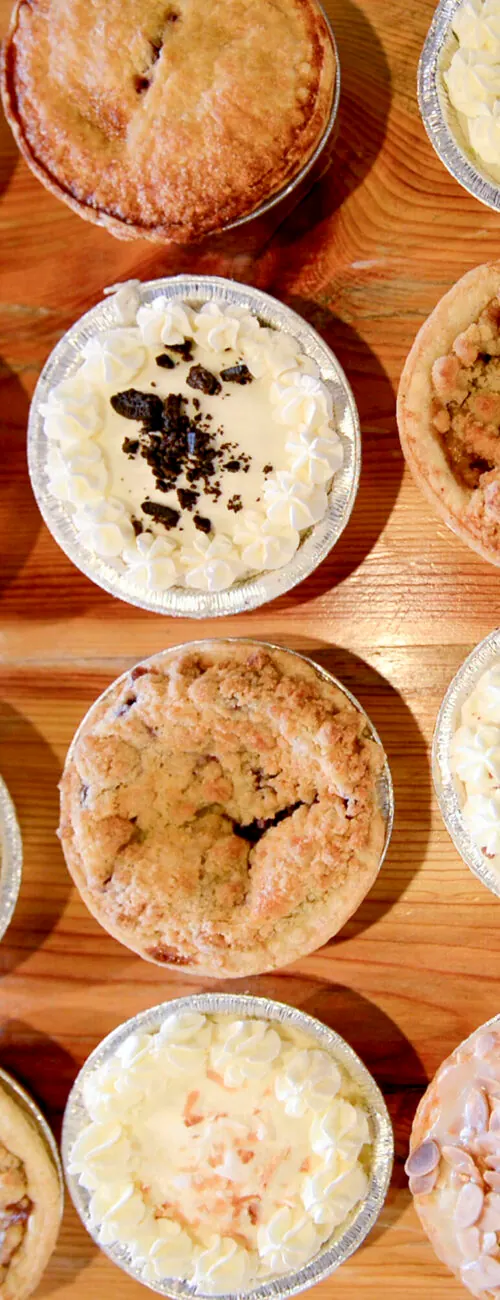
There was a time when the phrase "pie shop" summoned a very narrow picture. You walked in for dessert, maybe picked up a whole pie for a holiday, and left with sugar on your fingers and not much reason to come back until the next family gathering. The model was familiar and comforting, but it was also limited. It treated pie as an occasional indulgence rather than a serious part of everyday dining.
That is exactly where a concept like pie cafe colorado springs becomes interesting. A true pie cafe is not just a place that sells slices. It expands what pie can do in a city, in a neighborhood, and in a daily routine. It turns pie from a single-category treat into a format that can carry breakfast, lunch, coffee, conversation, take-home meals, and special occasions without losing the warmth people expect from a bakery.
The shift matters because modern diners do not separate food into neat old-fashioned boxes anymore. They want places that feel useful on a Tuesday morning, reliable on a rushed lunch break, and worth revisiting on a cold weekend afternoon. A pie cafe that understands that shift can redefine the category without abandoning its roots.
The old pie shop model had charm, but also real limits
Classic pie shops often lived in a narrow lane. They were strong on nostalgia, weaker on versatility. You might find excellent fruit pie, dependable cream pie, and a display case that looked beautiful from ten feet away, but once the visual appeal wore off, the experience could flatten. The food was often built for cravings rather than for sustained visits.
Anyone who has worked around retail food service sees the same pattern over and over. Specialty dessert shops do well around holidays and weekends, then fight for traffic in the spaces between. Their business becomes event-driven. Staffing gets harder. Product forecasting gets riskier. Guests tend to love the place, but not necessarily need the place.
A pie cafe changes that equation because it broadens the purpose of the visit. A guest can stop in for coffee and a hand pie at 8:30, return for a savory slice or pot pie at lunch, and come back later in the week to pick up dessert for dinner with friends. That is a healthier rhythm for both the customer and the business. It also makes the shop feel woven into local life rather than reserved for occasional splurges.
Colorado Springs is a particularly strong setting for that kind of evolution. It is a city where outdoor schedules, family routines, military communities, remote workers, and neighborhood regulars all overlap. A food business https://elliotngse258.oakmontscope.com/posts/pie-cafe-colorado-springs-a-delicious-destination-for-homemade-pie that succeeds there usually does more than one thing well. It has to be approachable, flexible, and consistent.
Pie works better as a cafe format than most operators realize
Pie is one of the most adaptable foods in American baking, but many shops underuse that advantage. A crust can carry fruit, custard, vegetables, braised meat, eggs, cheese, or seasonal produce with equal authority. The format naturally spans sweet and savory. That matters more than people think.
Once a pie shop becomes a cafe, the menu stops feeling one-dimensional. The guest is no longer choosing between "pie or no pie." The choice becomes much richer. Maybe it is a savory hand pie and coffee before a meeting. Maybe it is quiche and salad for lunch. Maybe it is a slice of seasonal fruit pie after a long hike in cool weather. The product suddenly has all-day range.
That kind of range also creates a more honest relationship with appetite. Not every customer wants a towering wedge of sugar at two in the afternoon. Plenty of people want a smaller serving, something savory, or something portable. The cafe model respects that. It meets people where they actually are instead of forcing them into the dessert-case version of themselves.
The best operators understand that pie is not just a product, it is a delivery system for comfort and craft. A buttery crust signals care. A balanced filling shows restraint. Good pie requires judgment in moisture control, bake time, seasoning, and portioning. It is not simplistic food, even when it feels homey. When a shop builds a full cafe around that craft, it elevates pie from sentimental novelty to culinary anchor.
Savory pie is often the real game changer
Dessert may get the attention, but savory pie is what often transforms a pie shop into a destination with staying power. It gives the business a lunch identity. It also allows for much greater texture and flavor contrast across the menu.
In practice, savory pie succeeds when it avoids two common mistakes. The first is overfilling. Too much filling, especially a wet one, makes the crust collapse into a damp shell. The second is underseasoning. Many savory pies look abundant but eat flat because the operator assumes pastry alone can carry the experience. It cannot. Savory pie needs the same rigor as any composed dish.
A pie cafe that gets this right can appeal to guests who might never describe themselves as "dessert people." That is a crucial distinction. A classic pie shop mostly serves the already converted. A pie cafe brings in a broader dining public by treating pie as meal-worthy.
In a city like Colorado Springs, where people often want food that feels hearty without being heavy, that balance matters. A well-made savory pie can be substantial enough for lunch while still feeling neater and more intentional than many fast-casual options. It also travels better than some plated foods, which matters for takeout, office lunches, and family pickups on the way home.
The atmosphere has to support the food, not just decorate it
Redefining the pie shop is not only about the menu. It is also about how the room works. Traditional pie shops sometimes lean so hard on nostalgia that they become set pieces. Everything says "remember this?" But very little says "stay awhile."
A successful cafe atmosphere is more demanding. It needs to handle multiple dayparts and moods. Morning guests want calm, light, and efficient service. Midday diners need seats that are comfortable enough for lunch but not so lounge-like that tables never turn. Afternoon customers want a place that can hold both conversation and solitude. That is a subtle design problem.
The strongest pie cafes usually solve it with restraint. They keep the warmth people associate with baking, but avoid turning every surface into a theatrical version of grandma's kitchen. The room feels lived in, not costumed. That distinction sounds minor until you sit there. Authentic hospitality is hard to fake. Guests can tell when comfort comes from thoughtful choices rather than themed décor.
Coffee service is another overlooked piece of the atmosphere. The moment a pie shop starts taking coffee seriously, the whole business changes. People begin using it as a meeting place, a work break, or a solo reset. The average visit becomes less transactional. That has a compounding effect over time. Customers stop thinking of the shop only in terms of product and start thinking of it in terms of routine.
Redefinition often looks like restraint, not reinvention
Many businesses claim to "reinvent" a category and then simply add spectacle. Bigger slices, stranger flavors, louder branding. That usually burns bright and fades fast. The more durable redefinition tends to be quieter. It comes from making better decisions at the level of execution.
For a pie cafe, those decisions often include:
- keeping the crust crisp instead of chasing oversized fillings
- offering both full pies and everyday portions that feel reasonably priced
- balancing sweet options with savory ones
- rotating seasonally without making regulars feel abandoned
- designing service for dine-in and takeout with equal care
None of that is flashy. All of it matters.
People remember places that make them feel understood. If someone wants a quick breakfast, they should not have to navigate a dessert-forward ordering system. If a family wants a whole pie on short notice, the process should feel manageable. If a solo guest wants coffee and one excellent slice, that order should feel just as welcome as a larger ticket.
This is where many old-school specialty shops stumble. They may have beloved recipes, but they have not updated the guest experience. The pie cafe model says the opposite. It argues that tradition is not weakened by better service design. In fact, tradition usually survives because someone was willing to translate it for current life.
Quality in pie is more technical than it looks
From the customer side, pie can seem simple. Crust, filling, bake, serve. From the production side, it is anything but. The margin for error is surprisingly narrow, especially at volume.
Fruit pies rise and fall on moisture management. Too much juice and the bottom crust turns gummy. Too little and the filling tastes cooked down to the point of fatigue. Custard and cream pies depend on temperature control, timing, and storage discipline. Savory pies ask for separate treatment of fillings, because vegetables, meats, and sauces all release moisture differently.
That is why a pie cafe that feels consistently good is doing more behind the scenes than most guests realize. It is likely managing bake schedules carefully, staging components so the crust remains viable, and making hard choices about what scales well and what does not. This is where professional judgment shows up. A smart operator knows that not every good recipe belongs on a daily cafe menu.
Colorado's climate adds another variable. Dry air and elevation can affect baking, holding, and even perceived freshness. Bakers working in that environment adjust hydration, timing, and handling in ways that are invisible to guests but central to the final result. When a pie cafe produces pastry that tastes balanced rather than brittle, that is rarely accidental.
The menu has to satisfy regulars and still leave room for surprise
One of the easiest ways to lose momentum in a bakery-cafe is by misunderstanding novelty. Customers do want seasonal offerings. They enjoy seeing what appears when peaches are at their peak or when colder weather calls for deeper spices and richer fillings. But most regulars also want anchors. They come back for the item they trust.
That tension is healthy. In fact, it is one of the reasons a pie cafe can outperform a trendier dessert concept. Pie already carries emotional familiarity. The operator does not need to shock people into interest. What matters more is offering enough variation to keep the case lively while preserving a core identity.
A practical seasonal rhythm might include a few staples year-round, then a rotating set built around produce availability and guest appetite. Summer often favors brighter fruit pies and lighter portions. Fall invites apples, pumpkins, and warmer spice profiles. Winter can support denser savory bakes and comfort-forward desserts. Spring tends to reward freshness and a little restraint.
The craft lies in knowing when to rotate and when to hold steady. If every visit feels unpredictable, regulars stop relying on the place. If nothing changes, the shop loses energy. The best pie cafes find the middle ground where guests can return for what they love and still discover something timely.
Hospitality is part of the product
There is a reason some neighborhood food businesses become institutions while others remain good but forgettable. The difference is not always culinary. Often it is hospitality, specifically the kind that feels practiced rather than performative.
Pie, more than many foods, invites emotional expectation. People connect it to family tables, road trips, church suppers, diner counters, and holiday rituals. That emotional charge can be an asset, but it also raises the bar. Guests are not only evaluating flavor. They are comparing the entire experience to a personal memory bank.
A pie cafe in Colorado Springs that redefines the category would do so partly by understanding that dynamic. Service should feel warm without becoming precious. Staff should know enough about the menu to guide someone between a fruit slice and a cream slice, or between a rich savory option and a lighter lunch. Packaging should protect the pie, especially in takeout. Seating should work for both a quick visit and a slower one.
None of this is glamorous. It is simply the difference between a shop people admire and a shop people depend on.
There is also something to be said for pace. Pie is not fast food, even when it is served quickly. The best pie cafes preserve a sense of care without making the service feel slow. That balance creates trust. Customers feel they are getting something handmade, but they are not punished for being on a lunch break.
Why Colorado Springs is a natural home for this kind of business
Some cities reward niche concepts that survive on novelty and tourism. Colorado Springs tends to reward places that can become part of real local rhythms. That makes it a strong environment for a thoughtfully run pie cafe.
The city has a broad mix of diners. Families want dependable take-home options. Professionals look for coffee and lunch spots that feel local but efficient. Visitors often seek regional charm, but residents keep a business alive. A pie cafe sits nicely at that intersection because it can serve both. It has enough character for a memorable stop and enough practicality for repeat visits.
Seasonality also plays in its favor. Cooler mornings and winter weather support the comfort angle. Summer traffic and active days create demand for grab-and-go formats. Holiday periods naturally lift pie sales, but the cafe structure means the business does not have to wait for November and December to feel relevant.
That year-round relevance is what truly separates the modern pie cafe from the old pie shop model. One is episodic. The other becomes habitual.
What customers are really responding to
When people say they love a place like pie cafe colorado springs, they are often describing more than taste, even if they do not realize it. They are responding to a package of signals that tell them the business has standards.
They notice whether the crust flakes or crumbles into dust. They notice whether savory options feel like afterthoughts. They notice if coffee is merely available or actually good. They notice whether the case looks abundant at noon or picked over and tired. They notice whether a whole pie order feels like a celebration or a logistical headache.
Most of all, they notice coherence. Does the shop know what it is? A pie cafe that redefines the category usually does. It understands that pie can anchor a serious food business without becoming stuffy, gimmicky, or trapped in nostalgia.
That is the appeal. Not radical reinvention, not culinary theater, but a smarter, fuller expression of a classic format.
The future of the pie shop looks more like a neighborhood cafe
If the classic pie shop was built around occasional need, the new model is built around repeated usefulness. That shift is subtle on paper and profound in practice. It changes menu design, staffing, service flow, product mix, and customer loyalty.
A shop that embraces the cafe identity gains freedom. It can be a breakfast stop, a lunch spot, a coffee break, a dessert counter, and a holiday resource all at once. It can welcome the person grabbing one hand pie and the family ordering two full pies for the weekend. It can be rooted in tradition while responding intelligently to contemporary habits.
That is why the phrase pie cafe colorado springs carries more promise than it might at first glance. It suggests a business that understands pie not as a relic, but as a living format. It respects what people have always loved about pie, then expands the setting in which they can love it.
The result is not just a better pie shop. It is a more complete neighborhood food business, one that earns loyalty slice by slice, meal by meal, season by season.
3.14 Pi Bar
5152 Centennial Blvd
Colorado Springs, CO 80919
(719) 314-6172
FAQ About pie cafe colorado springs
Does 3.14 Pi Bar serve sweet and savory pies?
Yes. The café serves savory pot pies and seasonal sweet pies made from scratch. Flavors can vary.
Can I order a whole pie to take home?
Yes. The café sells whole sweet pies to take home. Check the current menu for flavors and ordering options.
Does 3.14 Pi Bar offer take-and-bake pies?
Yes. The café offers prepared pies that you can bake at home. Check the current menu for available varieties.